
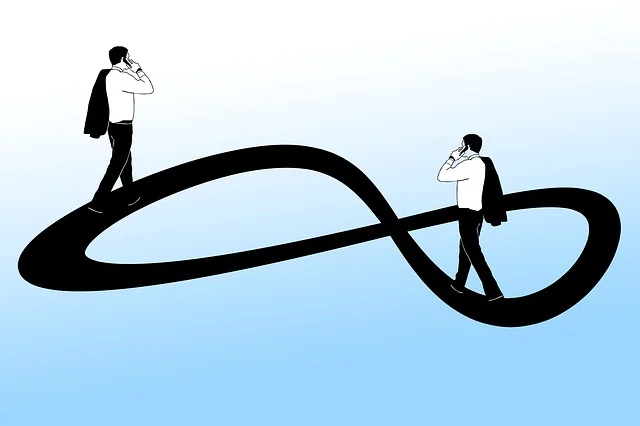
Every entrepreneur dreams of success — of building something that grows, scales, and endures. Yet, buried deep within that dream lies a strange irony: the higher you climb, the harder it becomes to move. The same systems, habits, and instincts that once fueled growth start to resist it. The flexibility that made you creative becomes rigidity disguised as “focus.” The hunger that once pushed you forward becomes comfort disguised as “stability.”
Success is supposed to make life easier, but in reality, it introduces a new kind of friction — the friction of maintenance. It shifts the challenge from creating momentum to controlling it. Entrepreneurs rarely talk about it, because it feels almost disloyal to complain about the very thing they worked so hard for. But every thriving founder eventually realizes the truth: growth changes gravity.
When you’re small, you can turn quickly. You can experiment, pivot, and rebuild without consequence. But as your business scales, the weight of what you’ve built begins to pull on you. Decisions carry heavier consequences. Innovation gets slower. Risk tolerance fades. The company you once built to be agile becomes a ship too large to turn easily. That’s the paradox — success becomes resistance.
The best entrepreneurs are those who recognize this early and learn to navigate it. They understand that what got them here won’t get them there. They learn to reinvent not just their business, but themselves.
The Physics of Achievement
Success is a force — one that obeys the same laws of motion that govern everything else. When an object gains mass, it also gains inertia. The larger it gets, the more effort it takes to change its direction. For an entrepreneur, that “mass” is reputation, employees, customers, and capital. Each new layer adds stability, but also weight.
In the early days, success feels like flight — fast, agile, and light. You can make decisions on intuition, move without committees, and learn through mistakes. But as success compounds, you accumulate structure: teams, departments, investors, expectations. And with structure comes inertia. Every new layer adds a form of resistance.
Ironically, this resistance often comes disguised as progress. A startup founder who once thrived on chaos begins to crave control. Systems that once liberated now constrain. Meetings that once sparked ideas now stifle them. Success breeds the need for safety, and safety is the natural enemy of innovation.
The physics of achievement also dictates that every action has an equal and opposite reaction. The more successful you become, the more resistance you generate — from competitors, from the market, and sometimes from within your own organization. That’s why many great entrepreneurs burn out at the peak of their success — they’re still applying the same amount of force that got them started, not realizing the system they’ve built is now working against that force.
To sustain growth, you must understand the new laws that success introduces. It’s no longer about pushing harder. It’s about managing resistance intelligently — learning when to accelerate, when to glide, and when to dismantle the very systems that once made you powerful.
The Weight of Winning
Winning feels light at first — like a breath of validation. But soon, it begins to weigh you down. Every victory brings expectations, every milestone brings pressure. You’re no longer just chasing dreams; you’re defending them. And in that defense, you start losing the freedom that made you daring in the first place.
Many entrepreneurs don’t realize that success has gravity. It pulls you toward comfort. It tells you to protect what you’ve built rather than risk building something new. Slowly, your focus shifts from possibility to preservation. You start making decisions not based on vision, but on fear of loss.
The weight of winning also comes from people. As your business grows, you become responsible not just for your vision but for the livelihoods of those who believe in it. Your risks are no longer private. Every bold move now carries the question: what if I’m wrong? The freedom to experiment begins to shrink under the burden of accountability.
There’s also emotional inertia — the pressure to sustain an image. Success makes you visible. Visibility makes you cautious. You become careful with your failures, and in doing so, you weaken your greatest advantage — your ability to fail publicly and recover quickly.
True entrepreneurs fight this weight not by denying it, but by reframing it. They understand that success doesn’t remove risk; it amplifies it. They make peace with the idea that progress always feels heavy. The goal isn’t to escape the weight, but to keep moving under it — to learn how to turn gravity into fuel.
When Vision Becomes a Wall
In the beginning, vision is fire. It burns bright enough to light the way forward. It gives direction, energy, and identity. But over time, that same vision can harden into walls. What starts as purpose can become prison if it stops evolving.
Entrepreneurs fall in love with their original vision — the product they launched, the model that worked, the strategy that got them noticed. But success turns that love into attachment. You begin to protect the old vision instead of expanding it. You start filtering new ideas through the lens of what used to work instead of what could work now.
That’s why disruption rarely comes from the top — it comes from the edges. The new innovators are free from the weight of old vision. They have nothing to protect, so they can see possibilities the incumbents can’t. The paradox is brutal: the more you perfect your vision, the less you can see beyond it.
To avoid this trap, founders must learn to periodically burn down their old beliefs. They must stay uncomfortable, even when things are stable. Great entrepreneurs build not just for the next quarter, but for the next evolution. They understand that a company’s vision must behave like software — constantly updated, patched, and rewritten to match the changing environment.
A static vision is elegant but dangerous. A living vision is messy but powerful. The companies that last are not those with the best initial ideas, but those with the courage to rewrite them again and again.
The Resistance of Success — When Systems Fight Their Creators
When a company grows, the very structures that once made it efficient can start to fight against its founder. Early on, systems are tools — they organize, simplify, and amplify the founder’s efforts. But over time, these same systems can create resistance, slowing decision-making, limiting creativity, and even stifling innovation.
Processes that once saved time now become bottlenecks. Teams that were once nimble become rigid as they scale. Departments compete for resources instead of collaborating. Decisions that were once made on instinct now require multiple approvals, meetings, and reports. Each layer adds weight, making the organization harder to pivot or experiment. The energy that once fueled growth is now partially consumed by internal friction.
Founders often fail to recognize this resistance because it feels subtle at first. The business is still moving, still generating revenue, and on the surface, everything appears fine. But beneath the surface, momentum slows. What worked at ten employees doesn’t work at a hundred. What worked at a local market doesn’t translate to a national scale. The paradox is cruel: success itself creates obstacles to further success.
The most dangerous form of resistance is psychological. Founders begin to identify with the systems they built. They become attached to processes, hierarchies, and routines, believing these structures define the company’s identity. When new ideas threaten these systems, founders unconsciously push back. The very thing that once liberated them now limits them.
Breaking this resistance requires awareness and courage. Founders must be willing to dismantle old processes, question assumptions, and create space for new approaches. It is not destruction but evolution — clearing the friction that success has layered over creativity. Only then can the company regain the agility and energy that once made it unstoppable.
The Rebirth of the Founder
Overcoming the resistance created by success is not just about changing the company; it is about the rebirth of the founder. The person who built the company in the early days cannot remain the same person who leads it as it grows. This transformation is both emotional and operational.
Self-awareness is the starting point. The founder must recognize how their habits, fears, and ego contribute to the resistance they face. Attachment to past methods, fear of losing control, or pride in personal decision-making all create hidden drag. Rebirth requires admitting these limitations and committing to change.
Delegation becomes essential. The founder must trust their team to take ownership, make decisions, and handle responsibilities that were once theirs alone. This is uncomfortable, especially for those who grew up making every call personally. But letting go is crucial; the founder must focus on vision, strategy, and adaptability, rather than micromanagement.
The reborn founder also re-engages with risk and experimentation. Success often makes leaders conservative; fear of losing status or revenue curbs creativity. To overcome resistance, they must embrace uncertainty again, test ideas boldly, and be willing to fail publicly. It is a return to the mindset that fueled the initial breakthrough, but now tempered by experience and insight.
Finally, the rebirth involves redefining what success means. It is no longer simply about revenue, growth, or accolades. True success is the ability to navigate resistance, sustain momentum, and guide the organization through evolution. The founder’s purpose shifts from proving themselves to nurturing the company’s long-term life and culture.
Final Thoughts: Learning to Bend Without Breaking
The entrepreneur’s paradox is unavoidable: the more success you achieve, the more resistance you encounter. But this is not a curse; it is a natural part of growth. The art lies in learning to bend without breaking — to adapt, evolve, and transform both yourself and your business without losing essence.
Resistance teaches humility. It reminds founders that they are not infallible and that no system is perfect. It challenges them to innovate continuously and to remain flexible in the face of complexity. Those who embrace this challenge become leaders capable of sustaining their vision over decades, rather than just years.
Bending without breaking requires vigilance, self-awareness, and courage. You must identify the friction points that slow growth, dismantle rigid systems, and cultivate a culture that encourages adaptability. You must evolve as a leader — stepping back, delegating, and embracing uncertainty — while still holding firm to your core vision.
In the end, the paradox of success is also its greatest opportunity. It pushes founders to grow, rethink, and reinvent themselves. Resistance is not a wall; it is a mirror, reflecting the areas where change is needed. The founder who learns to respond with flexibility, insight, and courage turns resistance into fuel, transforming obstacles into engines of further growth.
The true mark of enduring entrepreneurship is not how fast you scale, but how gracefully you navigate the forces your own success creates. The entrepreneur’s paradox, when mastered, becomes the secret that allows businesses to thrive not just once, but sustainably over a lifetime.